
frosted glass tile
Understanding Non-Slam Check Valves Importance and Applications Non-slam check valves are critical components in various industrial systems, serving to prevent backflow while minimizing water hammer, a common issue in piping systems. Water hammer occurs when a fluid in motion is forced to stop or change direction abruptly, creating shock waves that can damage pipes, fittings, and equipment. Non-slam check valves are designed to address this challenge by employing a mechanism that allows for smoother operation, reducing the potential for these destructive pressure surges. Understanding Non-Slam Check Valves Importance and Applications The functioning of a non-slam check valve is often facilitated by a combination of buoyancy and a hydraulic force that keeps the valve open during normal flow conditions. As the flow decreases or changes direction, the valve gently closes in response to the dynamic conditions of the fluid. This operational modality contributes substantially to the longevity and performance of piping systems, making these valves an essential choice for industries that rely on the efficient management of fluids. non slam check valve Applications of non-slam check valves span a wide range of sectors, including water and wastewater treatment, oil and gas, power generation, and HVAC systems. In wastewater treatment plants, for example, preventing backflow is crucial to avoid contamination of clean water supplies. In oil and gas applications, these valves help maintain the integrity of pipelines by ensuring that fluids only flow in designated directions, thus protecting against spills and leaks. Moreover, the choice of material and design for non-slam check valves is crucial for specific applications. They can be constructed from various materials, including stainless steel, brass, or thermoplastics, depending on factors such as temperature, pressure, and the nature of the fluid being transported. The design must also accommodate installation requirements, with options for horizontal or vertical orientations, allowing for flexibility in system configurations. Furthermore, maintenance considerations are an important aspect of the use of non-slam check valves. While these valves are generally low-maintenance, ensuring that they are free from debris and functioning correctly is vital for their long-term performance. Regular inspections will help identify wear and tear and any potential operational issues, thereby extending the lifespan of the valve and the entire system. In conclusion, non-slam check valves are indispensable in modern fluid handling systems. Their ability to prevent backflow while minimizing pressure surges contributes to enhanced system reliability and efficiency. As industries continue to evolve, the role of these valves becomes more significant, underscoring the need for engineers and operators to understand their function and applications thoroughly. Investing in high-quality non-slam check valves can lead to significant long-term savings, reduced system downtime, and improved overall performance in various industrial environments.
about
frosted glass tile
Understanding Globe Valves A Focus on Models 3 and 4 Globe valves are a crucial component in numerous piping systems, designed primarily for regulating fluid flow within a pipeline. Their distinctive shape allows for easy operation and effective flow resistance, making them a popular choice in various industrial applications. In this article, we will focus on the features, applications, and advantages of the Globe Valve Models 3 and 4, offering an insightful look into their functionality and relevance in modern engineering. Design and Structure Globe valves are characterized by a spherical body design that separates the flow of fluid with a movable disc or plunger. This design assists in controlling the flow rate by providing a larger seating area, which can effectively seal the valve when closed. Models 3 and 4 represent two variations of globe valves that cater to different operational needs. Model 3 is typically designed for high-pressure systems, making it a reliable choice for industries such as oil and gas, power generation, and chemical manufacturing. It features a robust body and a quality seat that can withstand severe operating conditions. The valve’s compact design allows it to fit into tighter spaces without compromising functionality. Model 4, on the other hand, is more versatile and suited for moderate pressure systems. This model is engineered for durability and efficiency, enabling it to function well in both residential and commercial applications. Its design often includes options for manual or automated operation, providing users with greater flexibility in implementation. Applications The applications of Globe Valve Models 3 and 4 vary significantly based on their specific designs and capabilities . globe valve 3 4 Model 3 is often used in critical applications where precise flow control is necessary. For instance, it is common in steam control systems, where managing temperature and pressure is paramount. This model is exceptionally beneficial in applications that require frequent throttling, as its design allows for finer control over the flow rate. Model 4 serves a broader range of applications. It is frequently utilized in HVAC systems, water treatment plants, and cooling systems, where moderate control of fluid flow is needed. Its ability to be customized for both manual and automated operation makes it a popular choice in modern building management systems, allowing for efficient climate control and resource management. Advantages Both models present several advantages that make them favorable choices for fluid regulation. One of the primary benefits of the Model 3 globe valve is its ability to handle high pressures without sacrificing performance. Its sturdy construction offers enhanced reliability, meaning it can operate effectively over prolonged periods under harsh conditions. Moreover, its design minimizes the risk of leakage, ensuring that safety and environmental regulations are adhered to. The Model 4 globe valve is praised for its flexibility. Its adaptability for both residential and commercial use allows it to serve various functions. Additionally, the option for easy automation makes it an attractive solution for industries looking to improve efficiency and reduce labor costs. The valve’s ease of maintenance further enhances its appeal, as regular checks and servicing can be performed without extensive downtime. Conclusion In conclusion, Globe Valve Models 3 and 4 are indispensable tools in fluid control applications across multiple industries. Model 3 excels in high-pressure environments, delivering reliability and precise regulation, while Model 4 offers versatility for a wide range of applications. Both models provide unique advantages that contribute to their widespread use, making them essential elements in modern engineering solutions. As industries continue to evolve, the role of globe valves will undoubtedly remain significant, ensuring that fluid management remains efficient, safe, and effective. Understanding these models better prepares engineers and technicians to select the right valve for their specific needs, ultimately leading to more successful project outcomes.
-

High quality industrial productsagement

High quality industrial products
View Details -

Meet the diverse needs of customers

Meet the diverse needs of customers
View Details -

Strict quality control

Strict quality control
View Details -

Top raw materials

Top raw materials
View Details -

Trusted supplier

Trusted supplier
View Details
Our application

news and information
Water valve with a flow rate of 0.5% for efficient water control.
Water valves are an essential part of any plumbing system. They control the flow of water, allowing

Válvula de globo com 2% de eficiência em sistemas hidráulicos industriais
Válvula de Bola de 2” x 1” x 2” Uma Solução Eficiente para Controle de Fluxo As válvulas têm um pape
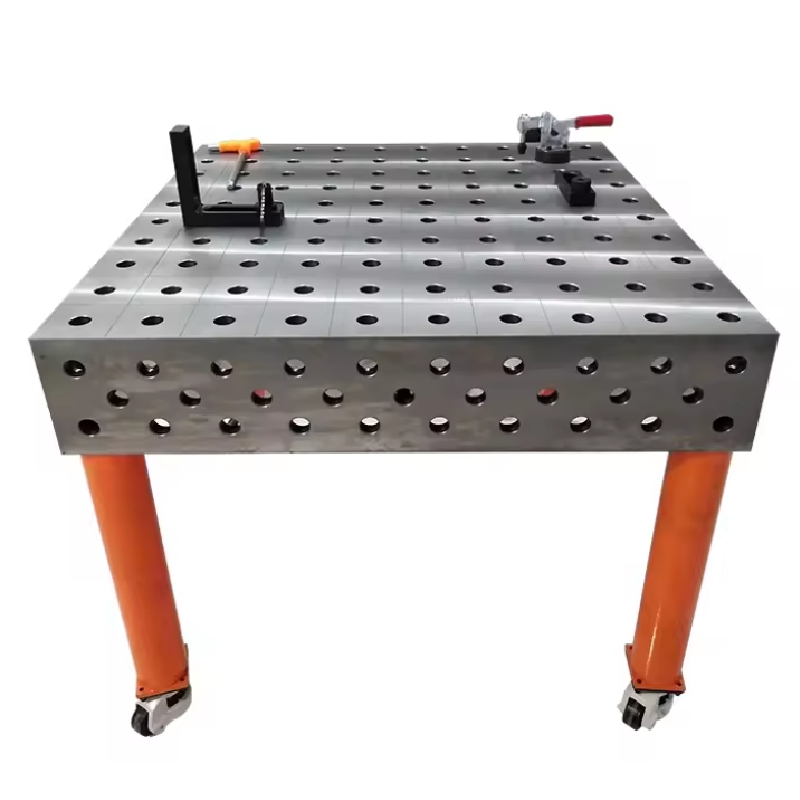
Vibration Isolation Pads for Enhanced Equipment Performance and Longevity
Understanding Vibration Mounting Pads Importance and Applications Vibration isolation is a critical
 English